Discover the best RTG casinos for UK players in 2026. Compare top Real-Time Gaming sites with huge bonuses, fast payouts, and popular slots. Read our expert guide. best RTG casinos UK 2026
Discover the best RTG casinos for UK players in 2026. Compare top Real-Time Gaming sites with huge bonuses, fast payouts, and popular slots. Read our expert guide. best RTG casinos UK 2026
Find the best RTP casino slots in the UK for 2026. Our guide reveals the highest paying online slots, where to play them, and how to maximise returns with expert UK-specific advice. explore the complete best RTP slots guide
The ultimate guide to the best Slingo casinos UK 2026. We review top sites for Slingo slots, compare bonuses, RTPs, and mobile play—so you can pick a casino that actually works for the format. discover the best Slingo casinos in the UK
An expert, no-nonsense guide to the best Stakelogic online casinos in the UK for 2026. We rank and compare fully licensed sites with real bonus data, honest RTP breakdowns, withdrawal speeds, and a deep dive into the slots that actually pay. Read the full guide to the best UK Stakelogic casinos
Compare the best video slots UK 2026 – real money sites, top bonuses, high RTP games, and the latest releases. Expert analysis without the fluff. discover the best video slots in the UK for 2026
Find the best UK online casinos for Wazdan slots in 2026. Our guide ranks top casino sites with the best bonuses, highest RTP Wazdan games, mobile compatibility, and fast withdrawals. Play safely with our expert recommendations. best Wazdan online casinos UK
Unbiased comparison of the top 10 BNB casinos for UK players in 2026. Only sites that accept Binance Coin directly—no hidden conversion tricks. read the full BNB casino comparison
A no-nonsense guide to UK casino birthday bonuses in 2026: what’s real, what’s junk, and how to spot offers worth claiming. Includes a comparison table of top operators and savage honesty about wagering. read our brutally honest guide to UK casino birthday bonuses
Compare legit Bitcoin Cash casinos in the UK for 2026. We tested BCH deposits, withdrawals, and bonus fairness across 10 top operators. No hype, just expert comparisons. compare the best Bitcoin Cash online casinos for UK players
Discover everything about bonus buy casinos UK in 2026: how the feature works, why it was banned, the best offshore sites still offering it, top slots, and vital safety tips. read the complete bonus buy casino UK guide for 2026

A dental implant is a small titanium fixture placed into the jawbone to replace the root of a missing tooth. Once integrated with the bone, it provides a stable foundation for a crown, bridge, or denture.
Dental implants are used because they:
At London Dental Arts, implants are recommended when they offer the most predictable and biologically sound solution for tooth replacement.
Implant treatment is rarely just about placing an implant. Successful outcomes depend on how well surgical placement, gum management, and final restoration work together.
London Dental Arts brings together specialist experience across:
This collaborative structure allows implant treatment to be expertly planned and delivered under one roof, with shared overview and continuity throughout. Rather than patients moving between multiple providers, care is coordinated carefully, reducing risk and improving long-term outcomes.
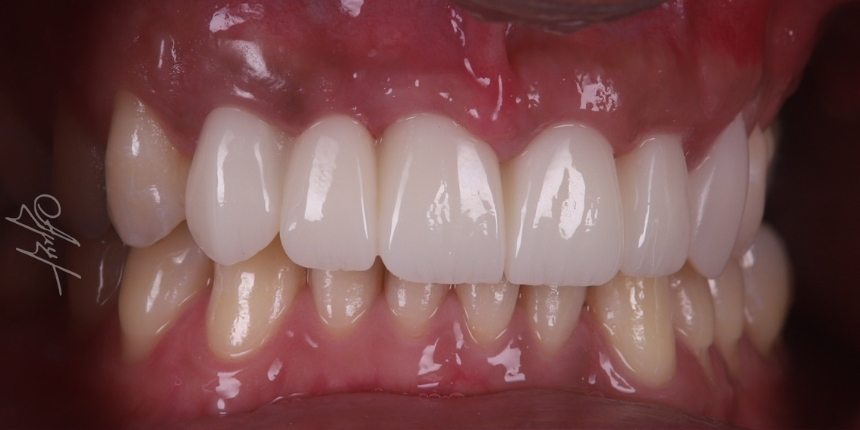
Single dental implants are used to replace an individual missing tooth while preserving the health of neighbouring teeth. They are commonly recommended where a tooth has been lost due to decay, trauma, or infection.
At London Dental Arts, single implant treatment is designed with careful attention to:
This ensures the implant integrates comfortably, functions naturally, and blends seamlessly with the surrounding teeth.
Where several teeth are missing, multiple implants may be used to support individual crowns or implant-supported bridges. This approach avoids the need for removable appliances and provides greater stability than traditional bridges.
Coordinating multiple implants at our dental implant clinic here in South East London requires careful sequencing to ensure:
Patients visiting us choose this option for its durability and improved comfort compared to removable alternatives like conventional bridges or dentures.
For patients missing most or all of their teeth, implant-retained dentures offer a significant improvement in stability, comfort, and confidence.
Rather than resting on the gums alone, these dentures are secured to dental implants, reducing movement and greatly improving chewing efficiency. Implant-retained dentures may be removable or fixed, depending on individual needs.
This option is particularly beneficial for patients who:
London Dental Arts is experienced in full mouth rehabilitation using advanced implant solutions such as All-on-4 and All-on-6. While these treatments are covered in more detail on a dedicated page on our website, they form an integral part of the practice’s implant expertise.
These approaches allow a full arch of teeth to be supported by a carefully sequenced number of implants, restoring function and aesthetics in patients with significant tooth loss.
Importantly, full mouth implant care here is never rushed. Planning considers:
At London Dental Arts, our Forest Hill patients can benefit from a fully digital workflow. This means that we use advanced digital imaging and 4D diagnostic technology to improve accuracy and reduce uncertainty during implant planning and implant placement.
These tools allow clinicians to:
Importantly, technology supports decision-making rather than replacing it, ensuring treatment is guided by data and clinical judgement.
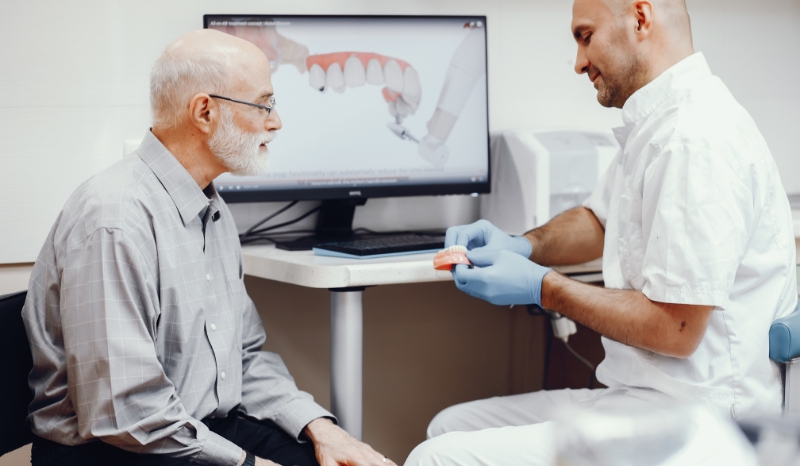
Implant treatment timelines vary depending on complexity, bone condition, and restorative requirements. Some cases progress straightforwardly, while others require staged care to allow proper healing. Patients visiting our dental implant clinic in South East London are guided clearly through:
At every stage, expectations are discussed openly so patients understand what is happening and why.

Patients choose London Dental Arts here in Forest Hill because the care is:
Implants are planned not just to replace teeth, but to restore confidence, comfort, and everyday function.
 300+ 5-Star Google Reviews
After a long period of research and many recommendations, we finally met Dr Arman Barfeie, a specialist prosthodontist and implantologist, who was exactly the expert..."
Read More
I just had my first hygiene appointment at this practise and am thoroughly impressed! Firstly, I would like to say all members of staff are..."
Read More
Excellent service every time. Jasmine today was outstanding. So informative and supportive with any and all questions and queries. Perfect for anyone who, like me,..."
Read More
I had an excellent experience at Dental Arts Forest Hill during my Invisalign consultation. The whole team was incredibly professional, welcoming, and informative throughout the..."
Read More
The dental surgery is very clean, warming and welcoming! Both receptionists were very lovely – thank you! The hygienist, Amy, was really, really good! She..."
Read More
Fantastic dental experience, and I would strongly recommend this wonderful practice to anyone. I attended my first appointment yesterday and was seen by Daniel. I..."
Read More
I can’t thank Dr Arman enough! I came in with a really painful tooth, and he sorted it out so quickly with a beautiful restoration...."
Read More
I had an excellent experience with dental therapist Daniel Nuciatelli. He is by far one of the most professional and personable individuals I’ve encountered in..."
Read More
This dental practice offers the best services I have ever experienced. The reception staff, as well as the dental team, are always warm and welcoming,..."
Read More
I’m absolutely thrilled with my new smile! I’ve had nonstop compliments since finishing treatment. Dr Al is incredible, he explained the Invisalign process clearly, reassured..."
Read More
I had such a wonderful experience at London Dental Arts in Forest Hill; it honestly stands out from any dental clinic I’ve been to. The..."
Read More
I haven’t needed a dentist for many years, but recently I found I needed treatment. I remembered LDA being recommended a few years back, and..."
Read More
After a long period of research and many recommendations, we finally met Dr Arman Barfeie, a specialist prosthodontist and implantologist, who was exactly the expert..."
Read More
I just had my first hygiene appointment at this practise and am thoroughly impressed! Firstly, I would like to say all members of staff are..."
Read More
Excellent service every time. Jasmine today was outstanding. So informative and supportive with any and all questions and queries. Perfect for anyone who, like me,..."
Read More
I had an excellent experience at Dental Arts Forest Hill during my Invisalign consultation. The whole team was incredibly professional, welcoming, and informative throughout the..."
Read More
The dental surgery is very clean, warming and welcoming! Both receptionists were very lovely – thank you! The hygienist, Amy, was really, really good! She..."
Read More
Fantastic dental experience, and I would strongly recommend this wonderful practice to anyone. I attended my first appointment yesterday and was seen by Daniel. I..."
Read More
I can’t thank Dr Arman enough! I came in with a really painful tooth, and he sorted it out so quickly with a beautiful restoration...."
Read More
I had an excellent experience with dental therapist Daniel Nuciatelli. He is by far one of the most professional and personable individuals I’ve encountered in..."
Read More
This dental practice offers the best services I have ever experienced. The reception staff, as well as the dental team, are always warm and welcoming,..."
Read More
I’m absolutely thrilled with my new smile! I’ve had nonstop compliments since finishing treatment. Dr Al is incredible, he explained the Invisalign process clearly, reassured..."
Read More
I had such a wonderful experience at London Dental Arts in Forest Hill; it honestly stands out from any dental clinic I’ve been to. The..."
Read More
I haven’t needed a dentist for many years, but recently I found I needed treatment. I remembered LDA being recommended a few years back, and..."
Read More

Dental implants are a well-established, clinically proven treatment with high long-term success rates when planned and placed appropriately. They remain the gold standard of missing teeth replacement.
With proper planning, good oral hygiene, and regular review, implants can last many years, often several decades or more. Longevity depends on factors such as bite forces, bone health, and ongoing oral care.
Implant placement is carried out using the appropriate anaesthesia. Alternatively, we also offer dental sedation for nervous patients. Either way, most patients report minimal (If any) discomfort during the procedure. After treatment, patients can expect some slight discomfort, but typically this disperses within a few days. Any discomfort during this time is easily managed with over-the-counter medication like Paracetamol or Ibuprofen.
Suitability depends on bone quality, gum health, general health, and bite considerations rather than age. A detailed assessment is required before recommendations are made.
If you’re considering dental implants or have been referred for specialist-led implant care, the first step is a thorough, unhurried assessment. Our role is to help you understand your options clearly and plan treatment that stands the test of time.
Book your appointment or request a consultation.